These renewable energy Algarve homes setup steps help you size the right system for your roof, your bills, and Algarve realities like summer AC loads, pools, and coastal salt air. If you want realistic savings (not guesses), you need a simple site survey, the right tech mix, and a clear plan for paperwork and grid connection.
Step 1: Assess your Algarve property (the site survey checklist)
A good quote starts with a consistent “Property Energy Profile” so you can compare installers fairly. For renewable energy Algarve homes, small differences, such as shade from a neighbour’s tree, roof tilt, or being close to the coast, can change real-world output and hardware choices.
Quick checklist
-
Roof orientation & usable area: South/south-west is usually ideal; measure usable area excluding chimneys/skylights.
-
Shading map: Check morning, midday, and late afternoon; remember shadows shift seasonally.
-
Coastal exposure: Near-coast installs should prioritise corrosion-resistant mounting and fixings.
-
Big loads: Pool pump schedule, AC usage (July–Sept), hot-water demand, EV charging plans.
-
12 months of bills: Size to your actual seasonal pattern, not guesswork.
If you’re unsure whether PV or solar thermal is the better starting point for renewable energy Algarve homes, use this guide to understand the options you can install on typical local properties: Solar panel installation & solar systems in the Algarve
Step 2: Choose the right technology mix (PV, battery, heat pump, solar thermal)
Your “best” system is the one that matches when you use power, not just how much you use. In practice, most renewable energy Algarve homes plans work best when you design solar, comfort, and storage as one ecosystem.
-
Solar PV: The core for most Algarve homes; a strong fit for daytime loads.
-
Battery storage: Best when usage is evening-heavy (common for families and many rentals).
-
Heat pumps: Efficient heating/cooling and a natural match with PV (use solar to run comfort).
-
Solar thermal: Still strong for hot water and pool warming.
Algarve homes often have high discretionary loads (pool pumps + AC). If you can shift those into solar hours, your renewable energy Algarve homes plan may need a smaller battery, or none at all, depending on your goals.
If your goal is a single, integrated setup (PV + battery + heating/cooling designed together), read: Solar, Powerwall & heat pumps in the Algarve.
If you’re actively pricing installs and want to understand servicing and local support, see: Solar panels installation and servicing in the Algarve.
If you’re still exploring what counts as renewable energy for Algarve homes (beyond “just solar”), use this as an idea-starter: Examples of renewable energy for Algarve homes.
Step 3: Design, approvals and grid connection
This phase is where many homeowners, especially expats, lose time because they don’t know what information is needed or who handles each step. A good installer should guide you through the admin, but it helps to understand the basics for renewable energy Algarve homes upgrades.
In Portugal, most residential solar PV installs are treated as autoconsumo (UPAC) and are typically communicated/registered via the DGEG portal, with requirements depending on system size.
For grid/interface steps, E‑REDES processes commonly rely on identifiers from your electricity bill, such as the CPE and the NIF on the contract, and E‑REDES can issue a production CPE when applicable. If your meter isn’t suitable for self-consumption measurement, Portuguese consumer guidance indicates E‑REDES may replace/adjust it as part of the process.
For a deeper Algarve-specific view of planning, quotes, and homeowner pitfalls (the stuff that derails renewable energy Algarve homes projects), see: Unlocking the potential of Algarve solar panel installation.
Step 4: Professional installation (what quality looks like in the Algarve)
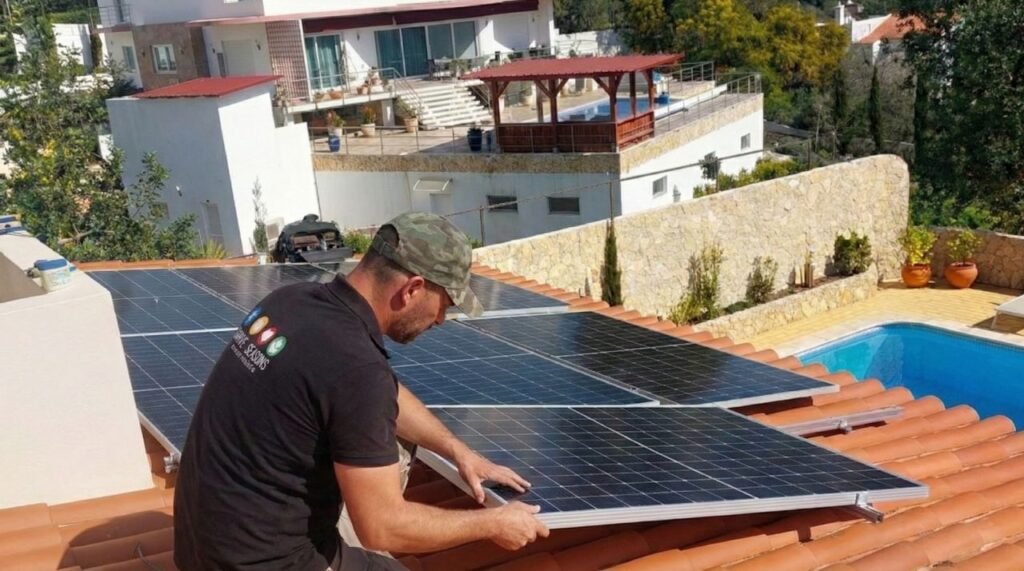
Installation quality determines whether your system performs as designed and remains reliable in Algarve conditions (heat, UV, humidity, and near-coastal salt air). If you want renewable energy Algarve homes savings to last, insist on quality signals you can verify.
Add these “quality signals” (they reduce buyer anxiety and improve conversions):
-
Corrosion-resistant mounts for coastal exposure.
-
Clean electrical layout: labelled isolators, documented cable routes.
-
Monitoring setup: app access + handover so you know what “normal” looks like.
-
Commissioning checklist and photo documentation.
If your “renewable” plan is really driven by comfort (summer cooling + winter damp chill), link this naturally while discussing heating/cooling: Air conditioning guide for Algarve homeowners.
Step 5: Verify performance & create a simple maintenance plan
In the first 14 days, capture baseline readings (PV daily kWh, household usage, battery cycles, heat pump settings). Then review monthly, so you catch problems while warranties and installer support are at their easiest. This is a simple habit that protects the renewable energy Algarve homes’ ROI.
Coastal salt buildup and dust can reduce performance, so periodic cleaning/inspection matters more near the coast.
To set realistic expectations for output across seasons (and what affects it), link: Solar performance in the Algarve: what homeowners can expect.
Call to action (local + service area)
If you want these renewable energy Algarve homes steps handled end-to-end from assessment and sizing to installation, commissioning, and aftercare, Algarve Seasons delivers turnkey solar and smart energy systems across the Algarve (including Faro, Albufeira, Lagos, Portimão, and Tavira).
Book a site survey and ask for a written design with production estimates, a clear handover plan, and monitoring access from day one.
Frequently Asked Questions
How do I assess my Algarve property’s suitability for renewable energy systems?
Start with roof orientation and shading, measure the usable roof area, note coastal exposure, and bring 12 months of bills so the system is sized to your actual seasonal consumption.
What renewable energy technologies are best for homes in the Algarve?
A common “best fit” stack for renewable energy Algarve homes is solar PV first, then a battery if you’re evening-heavy, and a heat pump if comfort (heating/cooling/hot water) is a major goal.
What steps are involved in planning and obtaining approvals for a renewable energy system?
You’ll typically confirm the system design, handle any required registrations/communications (often with UPAC/DGEG), and complete the grid/interface steps with E‑REDES using your bill details (CPE/NIF), where applicable.
What should I expect during the installation of renewable energy components?
Expect safety protocols, correct mounting and electrical work, commissioning tests, monitoring setup, and a documented handover pack (equipment models, warranties, and baseline readings).
How can I verify the performance and safety of my renewable energy system?
Review commissioning results, check monitoring output daily for the first two weeks, log baseline performance, and escalate early if output consistently falls short of expectations.
What maintenance is required after installation?
Solar generally needs occasional cleaning/inspection (more if near the coast), heat pumps need periodic servicing, and batteries benefit from monitoring checks and firmware updates.
Dan | Algarve Seasons Owner

Expert insights from Dan, the owner of Algarve Seasons on solar panels, Air-conditioning, Tesla Powerwall, and heat pumps in the Algarve - smart, premium energy solutions for homes and businesses throughout the Algarve.
- Dan

- Dan
- Dan
- Dan